0%
Reduction in MTTD

 Resolved
autonomously

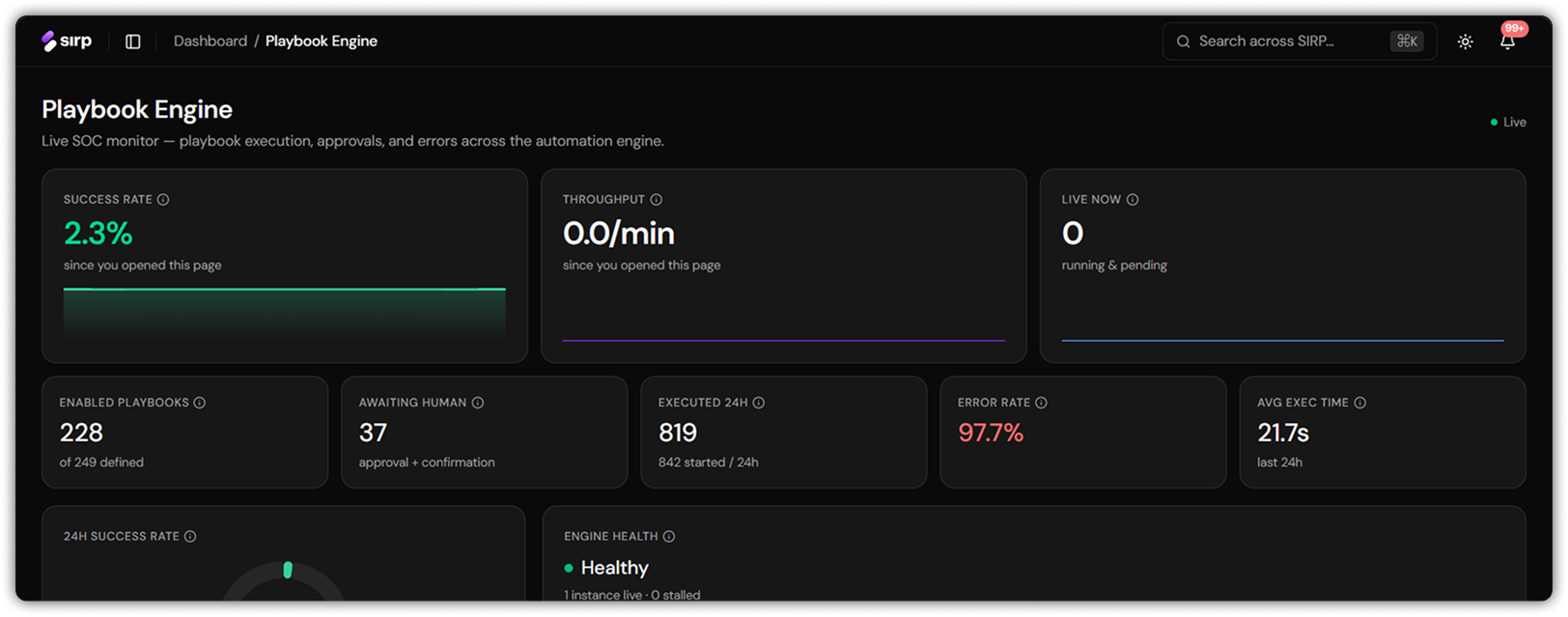
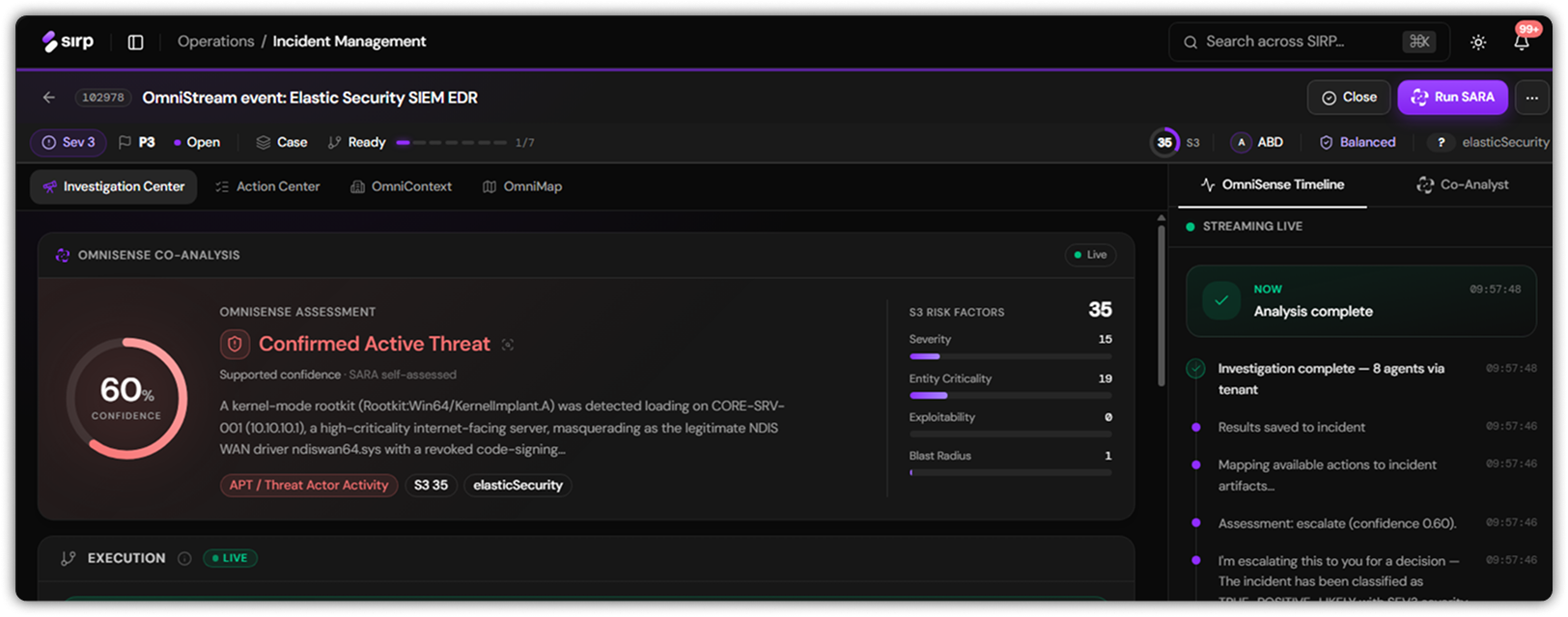
OmniSense investigates every alert end to end, then closes it. Every action passes a governance gate you define, and every step is on the record.
OmniSense triages, investigates, and closes the routine alerts on its own. Every autonomous action passes through the governance gate you define, and analysts step in only when a case needs a human call.
0%
Reduction in MTTD
Resolved0%
Reduction in MTTD
0%
Faster MTTR

Set the level per action, not per platform. OmniSense acts on its own inside those limits and waits for a named human outside them — every time, with the decision recorded.
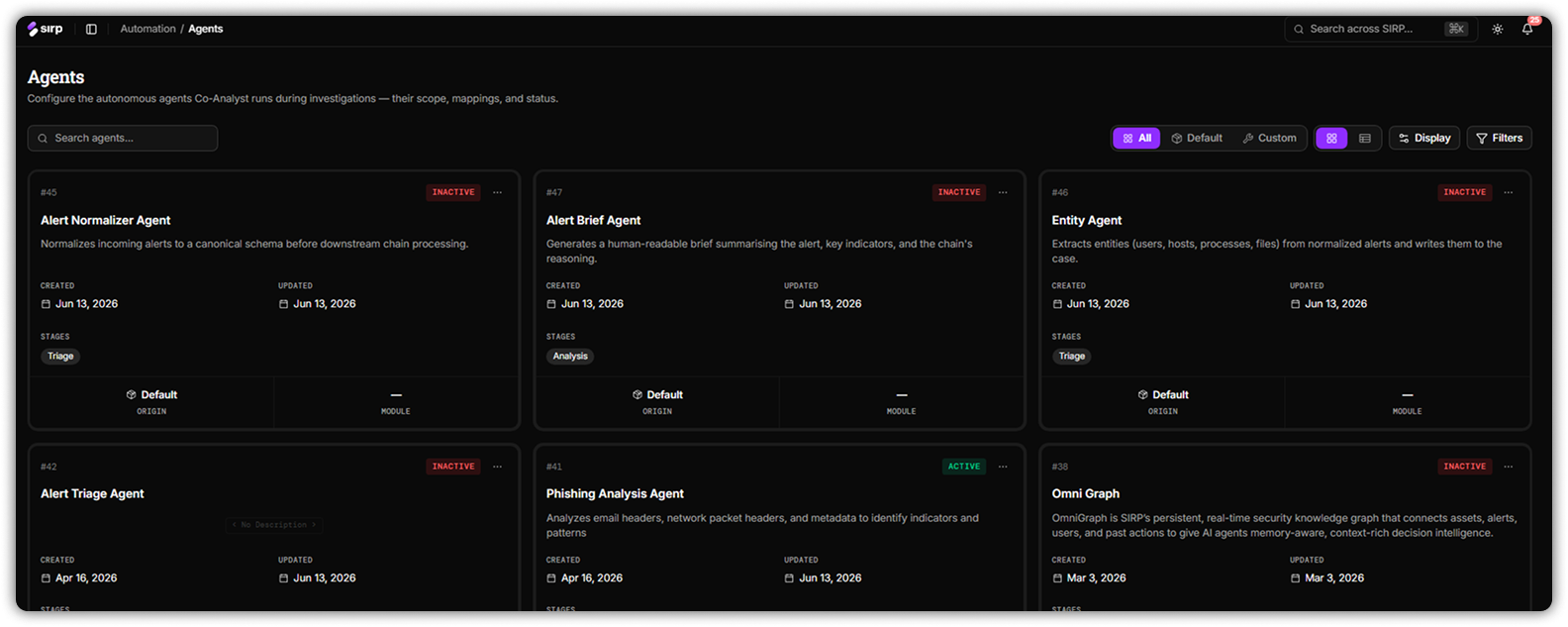
One system from detection through to closure. Investigation, response, reporting, and threat intel on shared context, not four tools you integrate.
The reasoning is a model. The enforcement is code.
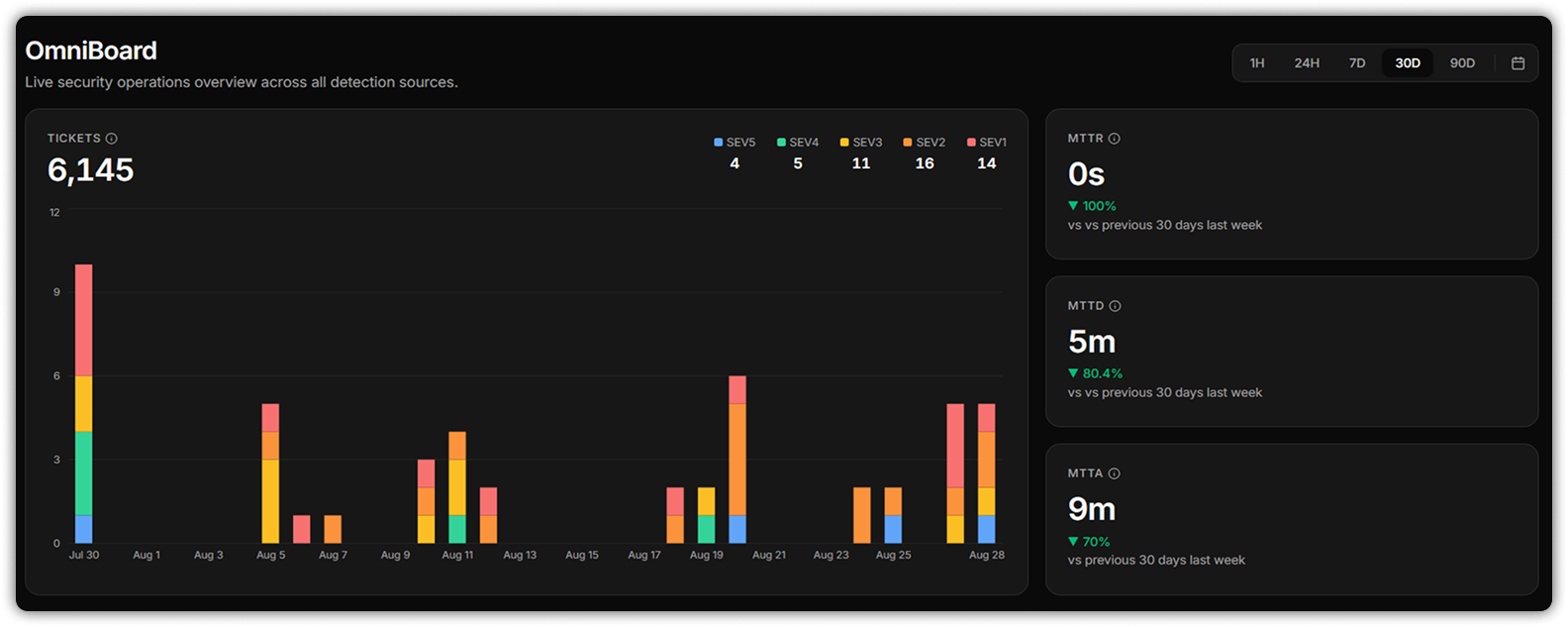
Every connected source lands in one stream. OmniSense correlates, triages, and closes what it can under your policy, then hands the rest to an analyst with the investigation already done.




alerts
incidents
OmniSense™


TOTAL INCIDENTS
OPEN INCIDENTS
Open Incidents by priority
 SEV1Critical11
 SEV2High3
 SEV3Medium8
 SEV4Low19
Manual

Autonomous

Resolved Incidents







OmniSense connects to the SIEM, endpoint, identity, and ticketing tools your SOC already runs. Each connection becomes an action agents can take, governed by the same policy you set for everything else. When something in your environment is not in the catalog, you build the integration yourself against the open integration framework, and it arrives under the same policy model as the rest. Air-gapped deployments included.
Autonomous, governed security operations powered by OmniSense™.
.0955tr296lhz0.png&w=3840&q=75)