" height="251px" id="hiop_AtSC" width="550px"/></g></svg>)
" height="250.9999782649012px" id="ydfzMbSNH" width="550px"/></g></svg>)
" height="251px" id="YYeMjMncw" width="624px"/></g></svg>)
How Autonomous Systems Learn — And Why Playbooks Never Will
How Autonomous Systems Learn — And Why Playbooks Never Will

Why This Matters Now
Autonomy in security is no longer theoretical.
But a new question is emerging:
If decisions happen autonomously, how do those decisions get better over time without drift, loss of control, or unsafe behavior?
Not with AI abstractions.
With the structural requirements of a governed learning system.
The Myth of Playbook-Based Learning
Let's get one claim out of the way:
"Our playbooks learn."
This is almost always false, structurally.
Playbooks are stateless, hardcoded, isolated from feedback, blind to patterns, and dependent on human memory to update logic.
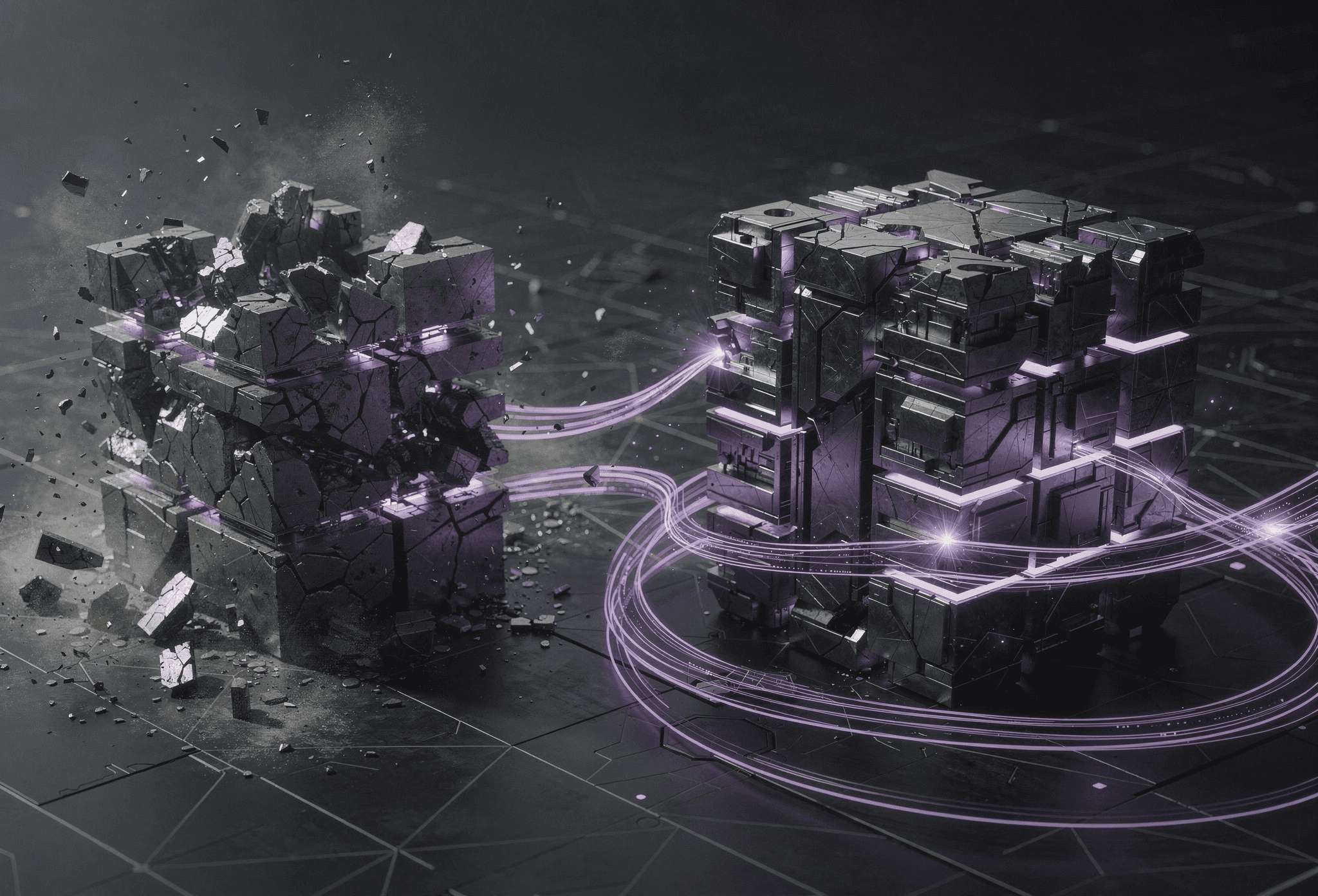
Even if you wrap them in AI, they remain execution graphs. Not evolutionary systems.
That is the core reason teams are rethinking what an autonomous SOC actually is.
What Learning-Capable Systems Actually Require
In the Autonomous Security Operating Model, decisions are made in-system. For those decisions to improve, five architectural primitives must exist.
1. Persistent Memory of Decisions and Outcomes
Most systems fail at step one.
Learning is impossible if the system forgets what it did and what happened next.
Every decision must be stored with input signals, computed risk, and chosen action. Ground truth is linked when available. Confirmed, suppressed, overridden. Incident graphs store context, not just tickets. Queryable memory enables post-incident forensics and pattern discovery.
Memory is not an audit log. It is the foundation for feedback.
2. Feedback Integration as Native Signals
Fewer systems reach this level.
Feedback is often captured but not used.
Feedback must update signal weights. False positives decay confidence. Correct suppressions reinforce future suppression. Analyst overrides trigger credit assignment logic.
This is not AI. It is reinforcement.
The system must know what to repeat and what to revise.
3. Confidence Vector Evolution
Security is a probability problem. Decisions must be weighted, not binary.
Actions are scored, not triggered. Confidence evolves per signal, per asset, per tactic. Suppressed incidents that later escalate adjust future thresholds. Contextual memory allows confidence decay over time.
This replaces static thresholds with dynamic belief models.
Learning is not accuracy. It is improving confidence under constraint.
4. Generalization Across Novel Contexts
Even fewer systems can do this safely.
Playbooks break on novelty. Learning systems must generalize.
Incidents are embedded in high dimensional vector space. Similar but not identical cases are clustered. Outcome history reshapes behavior for nearby clusters. Overfitting is avoided by policy bound thresholds.
This allows the system to apply lessons, not just repeat paths.
5. Federated Reinforcement Without Data Sharing
This is the edge frontier.
Learning must scale safely across environments.
Systems extract decision patterns, not raw logs. Shared signal outcomes inform agent behavior. Global intelligence is shaped by pattern frequency and outcome quality. No cross tenant exposure of data or identity.
This is not data aggregation. It is cross system pattern distillation inside governance.
What the Governance Boundary Looks Like
Adaptation does not equal autonomy.
Even the most advanced system must respect escalation thresholds, action scope, approval contracts, and explainability policies.
This line holds:
The system may evolve how it makes decisions. It may not redefine what it is allowed to do.
See how OmniSense enforces this boundary in practice.
Playbooks Cannot Pass the Learning Test
Here is the architectural comparison across six dimensions:
Decision Memory: Playbooks have none. Autonomous systems maintain persistent, structured memory.
Feedback Integration: Playbooks require manual tuning. Autonomous systems use native credit assignment.
Confidence Adjustment: Playbooks operate on static thresholds. Autonomous systems use dynamic, per signal adjustment.
Generalization: Playbooks cannot generalize. Autonomous systems use cluster based reasoning.
Federated Learning: Not feasible in playbooks. Autonomous systems use pattern level reinforcement.
Governance Boundary: Playbooks use hardcoded paths. Autonomous systems use policy bound adaptation with inline explainability.
For the full structural breakdown of how this compares in production, see the SOAR vs Autonomous SOC analysis.
Why This Is Not Optional
Attackers already learn.
They adapt faster than humans can patch logic.
If the SOC architecture cannot evolve: false positives repeat, suppression paths are reused blindly, missed patterns persist for months, analyst knowledge is trapped in tribal memory.
The problem is not that humans cannot respond. It is that the system forgets everything it did not hardcode.
Only Systems That Improve Will Survive
Playbooks do not fail because they are slow.
They fail because they are static.
They cannot remember. They cannot adapt. They cannot reason under uncertainty or evolve under constraint.
Autonomous systems are not better because they act faster. They are better because they change. Safely, explainably, and continuously.
That change is not discretionary. It is governed. It is policy bound. It is memory dependent.
And it is the only architecture that converges with adversaries who adapt by default.
In a threat environment that improves daily, only systems that improve stand a chance.
Everything else is automation with an expiration date.
See how the migration from static logic to governed autonomy works →
Why This Matters Now
Autonomy in security is no longer theoretical.
But a new question is emerging:
If decisions happen autonomously, how do those decisions get better over time without drift, loss of control, or unsafe behavior?
Not with AI abstractions.
With the structural requirements of a governed learning system.
The Myth of Playbook-Based Learning
Let's get one claim out of the way:
"Our playbooks learn."
This is almost always false, structurally.
Playbooks are stateless, hardcoded, isolated from feedback, blind to patterns, and dependent on human memory to update logic.
Even if you wrap them in AI, they remain execution graphs. Not evolutionary systems.
That is the core reason teams are rethinking what an autonomous SOC actually is.
What Learning-Capable Systems Actually Require
In the Autonomous Security Operating Model, decisions are made in-system. For those decisions to improve, five architectural primitives must exist.
1. Persistent Memory of Decisions and Outcomes
Most systems fail at step one.
Learning is impossible if the system forgets what it did and what happened next.
Every decision must be stored with input signals, computed risk, and chosen action. Ground truth is linked when available. Confirmed, suppressed, overridden. Incident graphs store context, not just tickets. Queryable memory enables post-incident forensics and pattern discovery.
Memory is not an audit log. It is the foundation for feedback.
2. Feedback Integration as Native Signals
Fewer systems reach this level.
Feedback is often captured but not used.
Feedback must update signal weights. False positives decay confidence. Correct suppressions reinforce future suppression. Analyst overrides trigger credit assignment logic.
This is not AI. It is reinforcement.
The system must know what to repeat and what to revise.
3. Confidence Vector Evolution
Security is a probability problem. Decisions must be weighted, not binary.
Actions are scored, not triggered. Confidence evolves per signal, per asset, per tactic. Suppressed incidents that later escalate adjust future thresholds. Contextual memory allows confidence decay over time.
This replaces static thresholds with dynamic belief models.
Learning is not accuracy. It is improving confidence under constraint.
4. Generalization Across Novel Contexts
Even fewer systems can do this safely.
Playbooks break on novelty. Learning systems must generalize.
Incidents are embedded in high dimensional vector space. Similar but not identical cases are clustered. Outcome history reshapes behavior for nearby clusters. Overfitting is avoided by policy bound thresholds.
This allows the system to apply lessons, not just repeat paths.
5. Federated Reinforcement Without Data Sharing
This is the edge frontier.
Learning must scale safely across environments.
Systems extract decision patterns, not raw logs. Shared signal outcomes inform agent behavior. Global intelligence is shaped by pattern frequency and outcome quality. No cross tenant exposure of data or identity.
This is not data aggregation. It is cross system pattern distillation inside governance.
What the Governance Boundary Looks Like
Adaptation does not equal autonomy.
Even the most advanced system must respect escalation thresholds, action scope, approval contracts, and explainability policies.
This line holds:
The system may evolve how it makes decisions. It may not redefine what it is allowed to do.
See how OmniSense enforces this boundary in practice.
Playbooks Cannot Pass the Learning Test
Here is the architectural comparison across six dimensions:
Decision Memory: Playbooks have none. Autonomous systems maintain persistent, structured memory.
Feedback Integration: Playbooks require manual tuning. Autonomous systems use native credit assignment.
Confidence Adjustment: Playbooks operate on static thresholds. Autonomous systems use dynamic, per signal adjustment.
Generalization: Playbooks cannot generalize. Autonomous systems use cluster based reasoning.
Federated Learning: Not feasible in playbooks. Autonomous systems use pattern level reinforcement.
Governance Boundary: Playbooks use hardcoded paths. Autonomous systems use policy bound adaptation with inline explainability.
For the full structural breakdown of how this compares in production, see the SOAR vs Autonomous SOC analysis.
Why This Is Not Optional
Attackers already learn.
They adapt faster than humans can patch logic.
If the SOC architecture cannot evolve: false positives repeat, suppression paths are reused blindly, missed patterns persist for months, analyst knowledge is trapped in tribal memory.
The problem is not that humans cannot respond. It is that the system forgets everything it did not hardcode.
Only Systems That Improve Will Survive
Playbooks do not fail because they are slow.
They fail because they are static.
They cannot remember. They cannot adapt. They cannot reason under uncertainty or evolve under constraint.
Autonomous systems are not better because they act faster. They are better because they change. Safely, explainably, and continuously.
That change is not discretionary. It is governed. It is policy bound. It is memory dependent.
And it is the only architecture that converges with adversaries who adapt by default.
In a threat environment that improves daily, only systems that improve stand a chance.
Everything else is automation with an expiration date.
See how the migration from static logic to governed autonomy works →
Related blogs


United States
7735 Old Georgetown Rd, Suite 510
Bethesda, MD 20814
+1 888 701 9252
United Kingdom
167-169 Great Portland Street,
5th Floor, London, W1W 5PF
© 2026 SIRP Labs Inc. All Rights Reserved.
United States
7735 Old Georgetown Rd, Suite 510
Bethesda, MD 20814
+1 888 701 9252
United Kingdom
167-169 Great Portland Street,
5th Floor, London, W1W 5PF
© 2026 SIRP Labs Inc. All Rights Reserved.
United States
7735 Old Georgetown Rd,
Suite 510, Bethesda, MD 20814
+1 888 701 9252
United Kingdom
167-169 Great Portland Street,
5th Floor, London, W1W 5PF


© 2026 SIRP Labs Inc. All Rights Reserved.